Our Cynophobia Assistance Dogs and the volunteering journey
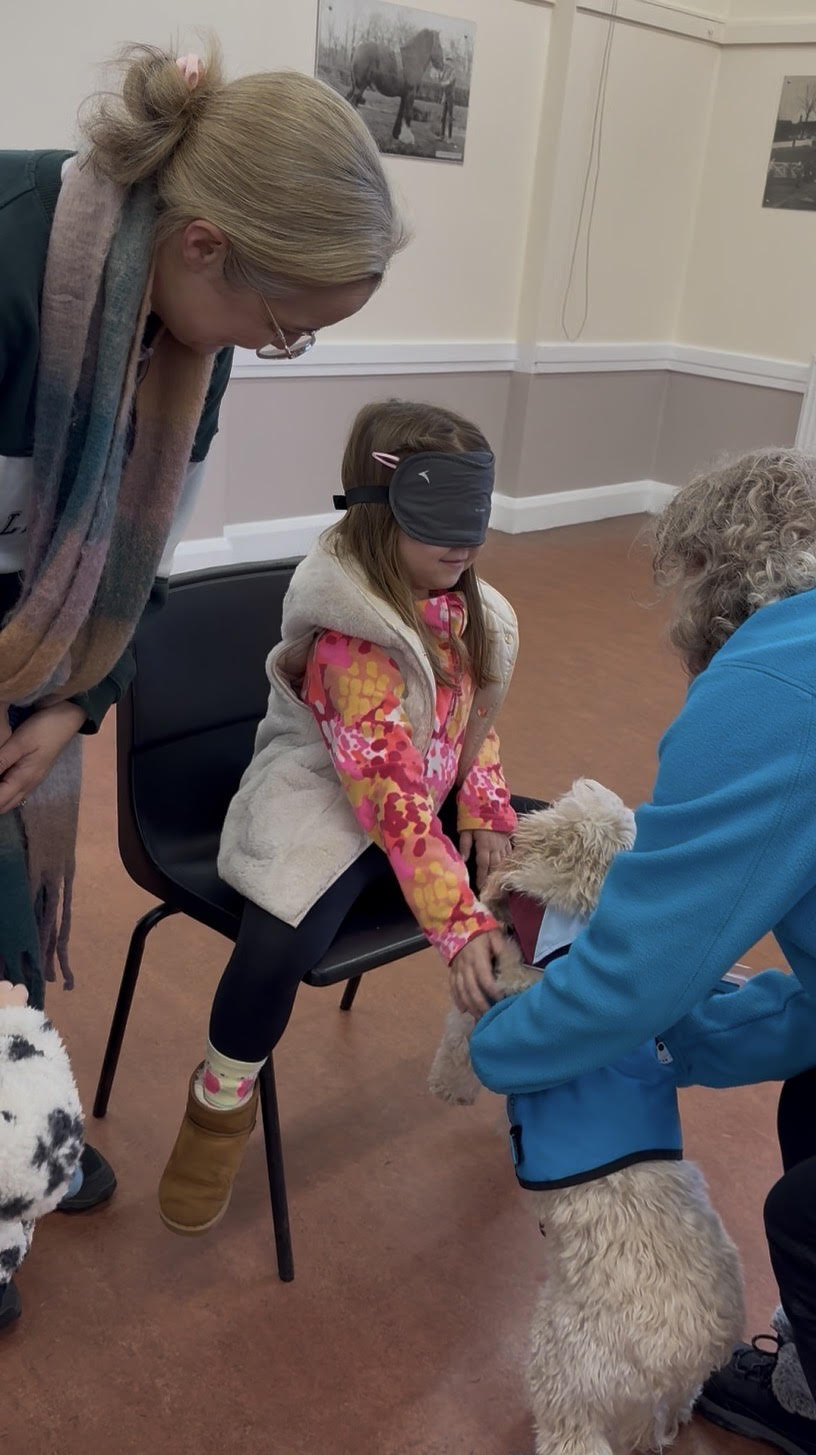
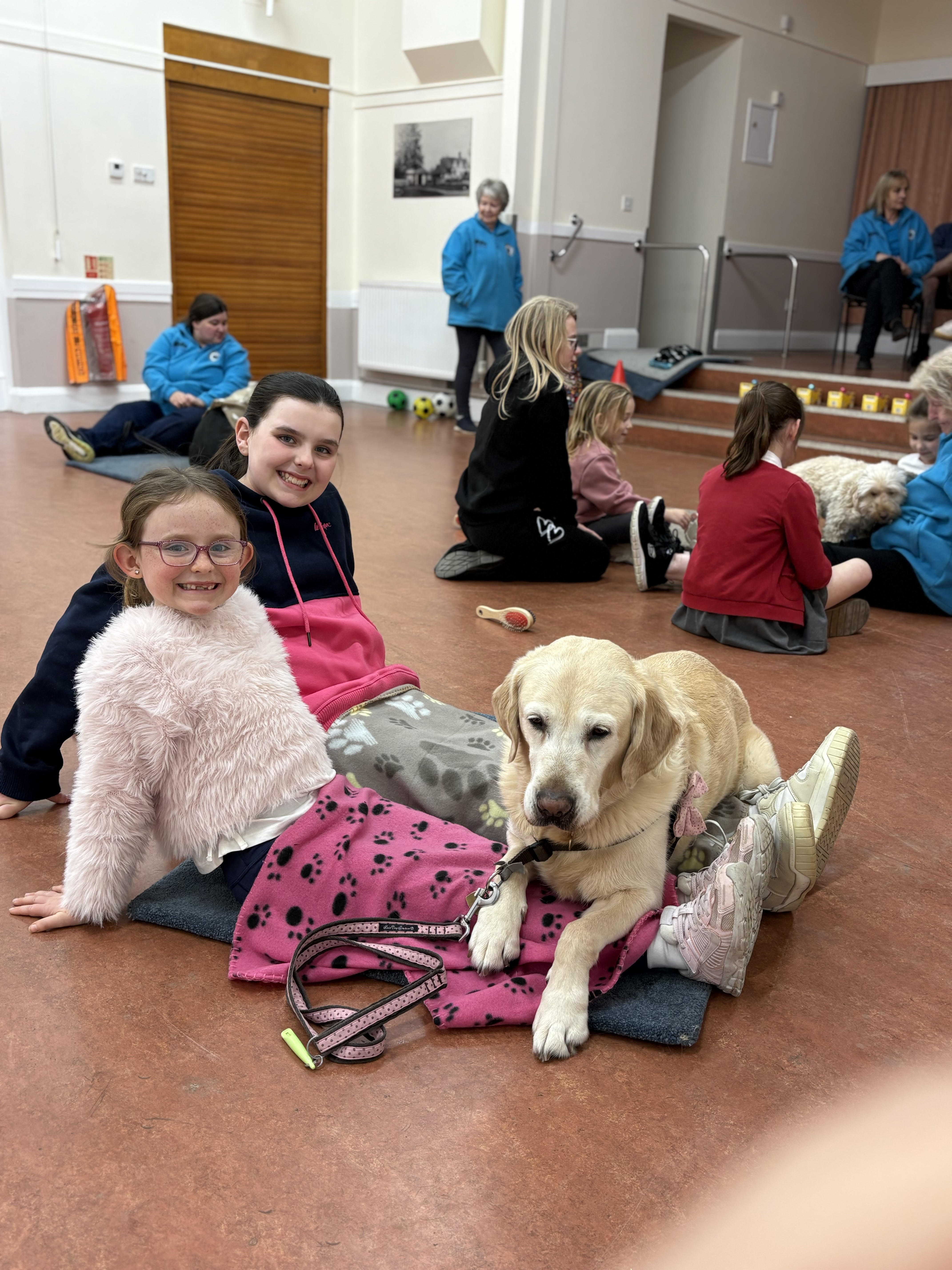
Each of our dogs is different and brings something unique to class. Be that their look or feel, their nature (they are ALL gentle and enjoy a fuss), how they move or how they handle on a lead. They all have characters and stories too and no surprise, we love talking about them!
We welcome having a mix of different breeds with differing personalities and our senior handlers can explain their behaviour traits to the families.
Yes our dogs are much loved family pets but they all must be able to accept the usual demands of the classes and their handler must have control of them.
The elements of our Volunteer (dog and handler) assessment are unique to the requirements of a Cynophobia Assistance Dog.
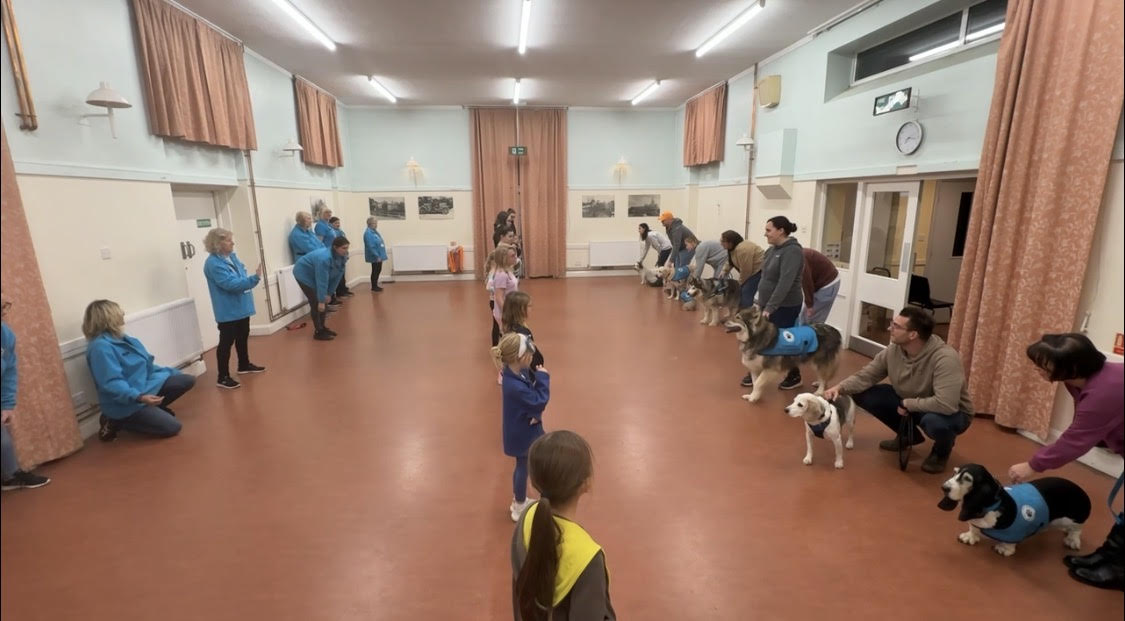
We can rely on our dogs to be gentle and tolerant, well-mannered and mix well with other dogs enabling smooth running of exercises in class and outside.
Behaviours which are not allowable in class include pawing, licking, jumping up, growling, excessive anxiety or barking.
We expect our dogs to pay attention to their owner and have basic obedience eg. sit, down, sit-stay, a reliable recall and walk on a loose lead. We expect our handlers to be able to read their own dog, anticipate their needs and advocate for them. Basically to work as a team with their dog.
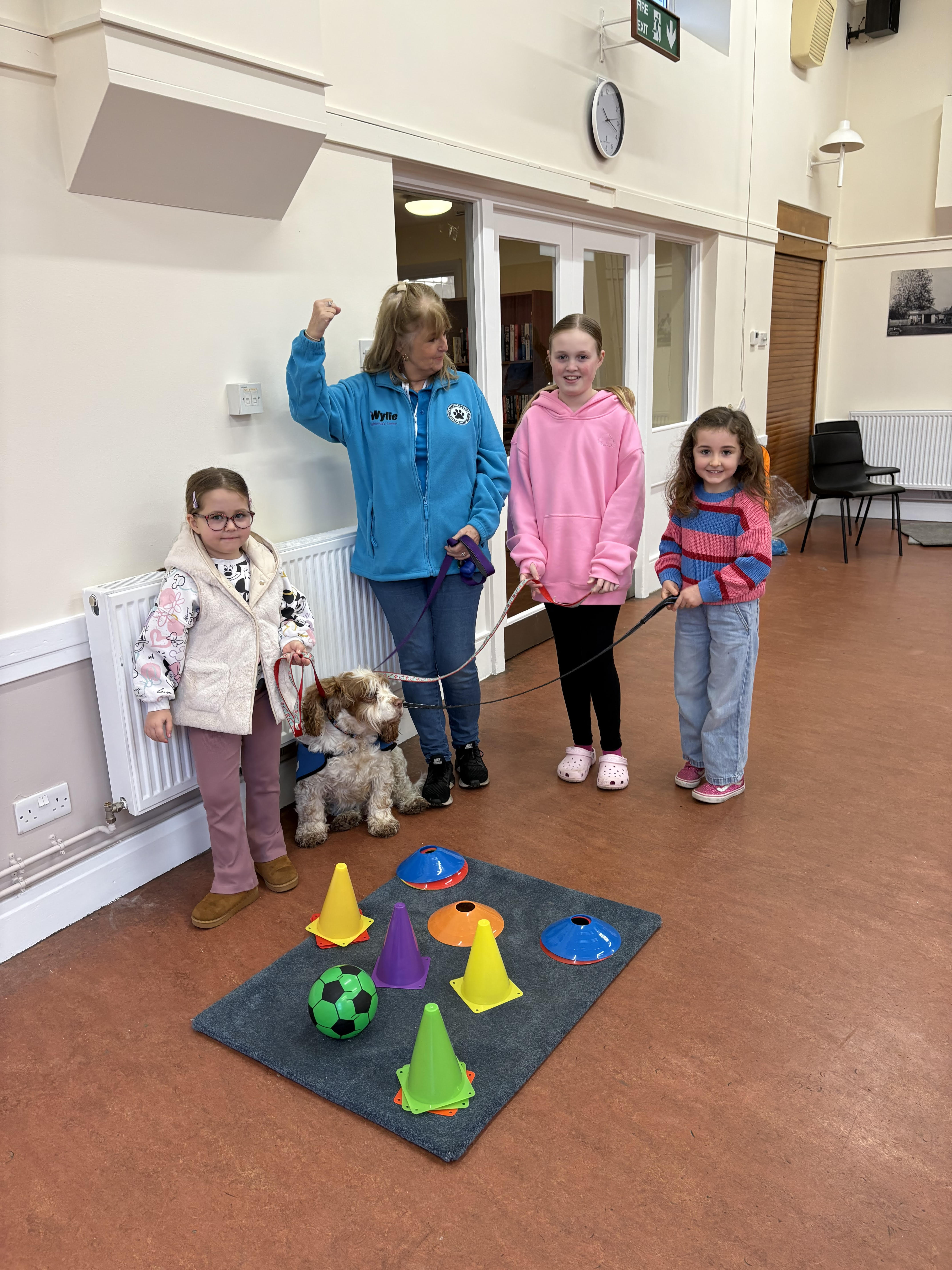
Exercises and games often include props like hoops, cones, balls of different sizes and occasionally dog treats. Our dogs may not understand why we are doing these things but they co-operate and aren't phased by them. They remain calm and reliable.
We consider there is no margin for error in class and we are careful in our selection process. Therefore it's good to know what we expect and why and we help you as much as possible.
A phone call with a senior handler explains exactly what our dogs do in class and if you think you and your dog are a fit you will be invited for an informal meet and greet. This allows the dogs to be introduced to each other as successfully as possible. It's usually pretty clear if the dogs get along and how they respond to their owner. We don't want to put the dogs under unreasonable pressure in this new environment and the dogs' welfare naturally will be considered.
After a successful assessment a probationary period is a good method of making sure both handler and dog are settling in and enjoying volunteering with us. Sometimes a really good, sound dog needs a bit of training on a particular behaviour and our senior handlers can advise and the dog be re-assessed.
Email Noeleen, Senior Handler:
[email protected]
"Lola and myself joined the team late 2025 after a Facebook post looking for more volunteers. The list of what she had to be able to do sounded daunting, but in all honesty was more about her having basic commands and the perfect nature for the role rather than her being perfectly trained. After an initial meet with the other dogs at the hall to see if she is reactive she did an assessment a couple of weeks later. I was nervous but she passed her test (sit, stay, lay, walk on lead etc) and we joined the team on probation. She is now a full member of the team.
Since she passed her assessment we have attended one class a week (sometimes both if they are short on handlers and I'm able to attend) and can say hand on heart I find it so rewarding. I get as much out of the sessions as the children and adults who attend. I swell with pride when Lola does the activity perfectly, belly laugh when she decides she wants her back scratched rather than do what she is meant to, but just love seeing the progress of the attendees as I know how debilitating a fear of dogs can be. I have been made to feel so welcome by the team and feel I have made another group of friends. Lola gets excited when I put her on her bib on as she enjoys it as much as I do."
Volunteer Handler
If you have a calm, friendly dog with a basic level of training, we'd love to hear from you
Get in Touch